
Why Regular Gutter Cleaning Matters for Your Blue Ridge Home
Gutters are easy to overlook because they work quietly along the edge of your roof. But when they are clogged, damaged, or overflowing, they can send a surprising amount of water toward the most vulnerable parts of your home.
For homeowners in Blue Ridge, Jasper, Ellijay, Blairsville, and surrounding North Georgia communities, regular gutter cleaning is especially important. Mature trees, year-round pine needles, steep properties, heavy rain, and sloped landscapes can all increase the amount of debris your gutters collect: and the amount of water your home must manage during a storm.
A professional gutter cleaning service helps keep rainwater moving through the gutters and downspouts instead of allowing it to spill over the roofline, siding, landscaping, and foundation.
What Your Gutters Are Designed To Do
A gutter system has one basic but important job: collect water from the roof and direct it safely away from the home.
When your gutters are clear, rainwater flows into the channels, through the downspouts, and toward a safe discharge area. Downspout extensions may carry the water even farther away from the foundation.
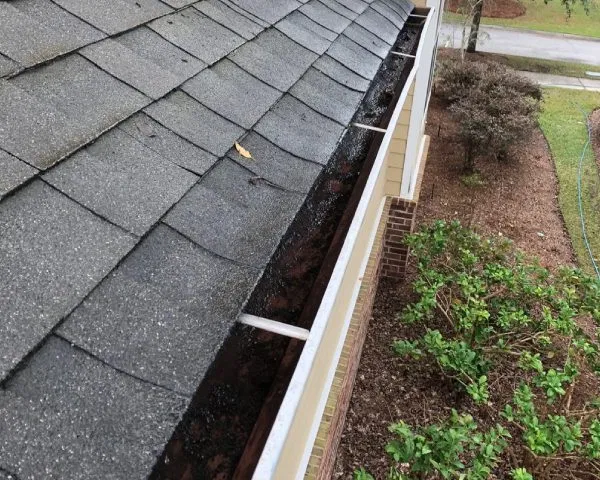
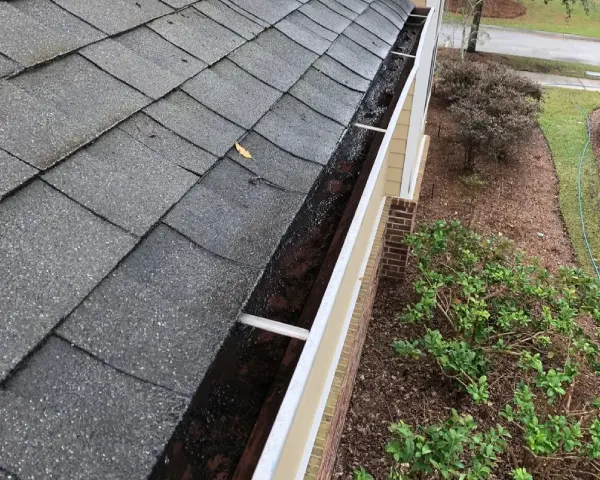
When leaves, pine needles, twigs, mud, and shingle grit block that path, water has nowhere to go. It may overflow over the front of the gutter, back up against the roof edge, or spill out at a clogged downspout.
That creates concentrated water flow in places that were never designed to handle it.
The Cost Of Ignoring Clogged Gutters
The cost of gutter neglect is not limited to the cleaning itself. The bigger expense can come from the chain of damage that follows.
A clogged gutter may first cause an overflow during a storm. Then the repeated moisture can damage wood, soil, siding, insulation, landscaping, and interior areas. What begins as a maintenance issue can eventually become a repair project involving several parts of the home.
Roof Edge, Fascia, And Soffit Damage
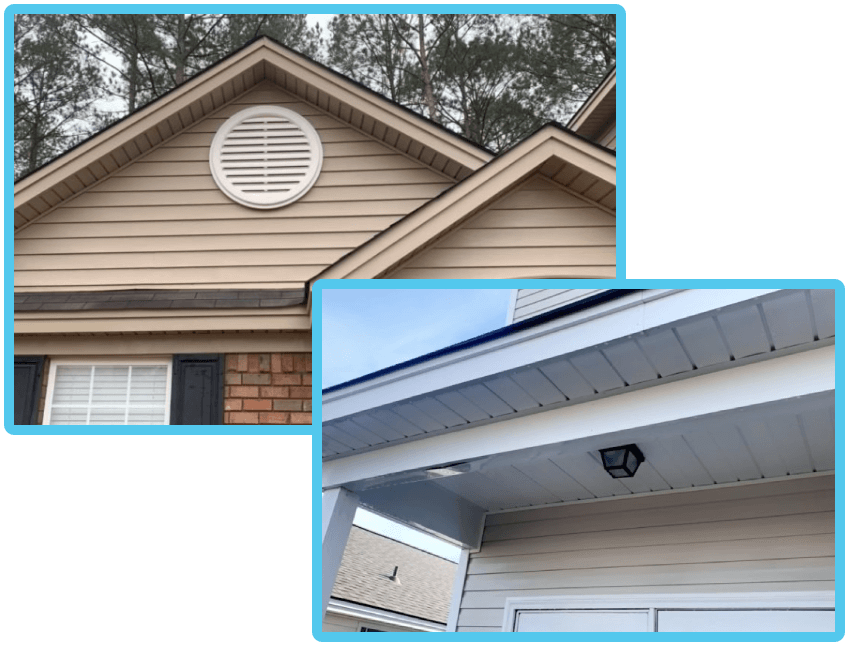
The fascia is the board along the lower edge of the roof where many gutters are attached. The soffit is the underside of the eave.
When a gutter is full of wet debris or holds standing water, the fascia can remain damp for long periods. Water may also back up behind the gutter and reach the roof edge. Over time, this can contribute to:
- Soft or rotting fascia boards
- Damaged soffits
- Loose gutter fasteners
- Peeling paint or staining
- Deteriorated roof-edge materials
- Water reaching the roof decking
This damage is often difficult to see from the ground. A gutter may still look acceptable from the driveway while the wood behind it is slowly deteriorating.
Wet debris also adds significant weight. As the debris absorbs water, it can cause gutters to sag, pull away from the fascia, or develop a reversed pitch. Once the gutter no longer slopes toward the downspout, cleaning alone may not solve the problem. It may need to be re-secured or repaired.
Roof Leaks And Water Intrusion
Clogged gutters do not automatically cause every roof leak, but they can contribute to water intrusion around the roof edge.
When rainwater backs up against the lower shingles, it may work its way into vulnerable areas. Moisture can reach the roof decking, attic materials, insulation, or wall cavities. You may eventually notice:
- Ceiling stains
- Damp attic insulation
- Musty odors
- Peeling paint near upper walls
- Mold or mildew in hidden areas
- Water marks around windows or doors
A roof leak is not always caused by a missing shingle. Sometimes the visible interior stain is several feet away from where water first entered. Keeping the gutters clear helps eliminate one preventable source of moisture around the roofline.

Foundation And Crawl Space Problems
One of the most overlooked reasons for gutter cleaning is foundation protection.
When gutters overflow, rainwater falls in a concentrated line directly beside the home. In North Georgia, heavy rainfall can quickly saturate the soil around the foundation. Sloped lots can make the problem worse by directing runoff toward one side of the house.
Repeated water exposure may contribute to:
- Soil erosion beside the foundation
- Foundation wall seepage
- Damp crawl spaces
- Basement moisture
- Cracks or settling concerns
- Increased hydrostatic pressure against foundation walls
- Wet or deteriorating crawl-space materials
Not every foundation problem is caused by gutters, and gutter cleaning cannot correct existing structural damage. However, a properly functioning gutter and downspout system is an important part of keeping roof runoff away from the home.
If your crawl space or basement becomes damp after storms, look at the entire drainage path: not just the interior symptom. Check whether the gutters overflow, whether downspouts are blocked, and whether extensions discharge close to the foundation.
Siding, Walls, And Windows Can Suffer Too
Overflowing gutters can send water down the side of the house instead of away from it. This may leave streaks on siding and trim, encourage algae or mildew growth, and expose wall areas to more moisture than they were designed to handle.
Water can also enter around:
- Window and door trim
- Exterior penetrations
- Loose siding sections
- Utility openings
- Corners and seams
In a mountain home or cabin surrounded by trees, shaded siding may already dry slowly. Adding repeated gutter overflow can create a consistently damp environment where organic growth and discoloration become more noticeable.
A clean gutter system will not replace proper siding maintenance, but it helps reduce unnecessary water exposure.
Soil Erosion And Landscape Damage
Gutters protect more than the structure. They also help protect the ground around your home.
When water pours over one section of gutter, it can wash away mulch, topsoil, gravel, and newly planted areas. On a slope, that runoff may travel quickly and form channels in the soil. It can expose roots, damage flower beds, wash out pathways, and redirect water toward the foundation.
You may notice:
- Bare soil beneath the roof edge
- Mulch collecting in unwanted areas
- Small trenches near the home
- Washed-out landscaping
- Standing water after storms
- Downspout discharge eroding one spot
Cleaning the gutters is the first step. Downspout extensions, splash blocks, drainage adjustments, and proper grading may also be needed depending on the property.
Pests, Mosquitoes, And Hidden Moisture
A gutter filled with damp leaves creates a small ecosystem along your roofline. Standing water may attract mosquitoes, while wet organic debris can provide shelter for insects, bees, wasps, and other pests.
A clogged gutter can also support plant growth. If you see grass, weeds, or seedlings growing in the gutter, the debris has likely been sitting there long enough to hold moisture and collect soil.
Moisture near the roofline can attract pests toward fascia, soffits, attic vents, and wall cavities. It can also contribute to mold and mildew when water enters enclosed areas.
These problems are not always visible from the ground, which is one reason a professional visit can be valuable. Removing the debris may reveal loose hangers, leaking seams, damaged sections, or wood that needs closer attention.
How Often Should Gutters Be Cleaned In North Georgia?
There is no single schedule that fits every home. The right frequency depends on your roof, trees, property slope, and gutter condition.
A useful starting point is:
- Most homes: Clean gutters twice a year, usually in spring and fall.
- Homes under mature hardwood trees: Consider three cleanings, especially after heavy seasonal debris falls.
- Pine-heavy properties: Quarterly service may be appropriate because pine needles can shed throughout the year and mat together.
- Open lots with few nearby trees: An annual cleaning and inspection may be enough, although gutters should still be checked after major storms.
- Vacation homes and rental properties: Schedule maintenance before peak guest seasons and after periods when the home is unoccupied.
Heavy rain can expose a problem quickly. If your gutters were recently cleaned but a storm brought down branches, pine straw, or large amounts of leaves, they may need another inspection sooner than expected.
Signs You Need A Gutter Cleaning Service
Look for these warning signs around your home:
- Water pours over the edge during rain.
- A downspout stays dry while the gutter overflows.
- Gutters sag, bow, or pull away from the house.
- You see dark streaks or water stains on siding.
- Mulch or soil is washing away beneath the roofline.
- Water pools near the foundation.
- Your crawl space or basement becomes damp after storms.
- Plants are growing inside the gutters.
- Birds, insects, or mosquitoes gather near the gutter line.
- Gutters contain visible pine needles, mud, or compacted debris.
You can often observe water flow safely from a window or from the ground during a storm. You do not need to climb onto the roof to confirm that something is wrong.
When Professional Gutter Cleaning Is The Better Choice
Gutter cleaning can be dangerous when ladders are placed on sloped, soft, uneven, or wet ground. Professional service is especially appropriate for:
- Two-story homes
- Steep roofs
- Mountain or hillside properties
- Gutters above porches or difficult-to-reach areas
- Homes near power lines
- Properties with fragile landscaping
- Gutters that have not been cleaned in several seasons
- Homeowners who are not comfortable using ladders
A professional gutter cleaning service can remove the debris, clear the downspouts, and identify visible concerns such as sagging sections, leaking seams, or damaged attachments. If a repair or roofing specialist is needed, finding the issue early gives you more options.
Gutter guards may reduce debris, but they do not eliminate maintenance. Pine needles, small seeds, roof grit, and fine organic material can still collect on or beneath many guard systems.
Protect Your Home Before The Next Heavy Rain
Regular gutter cleaning is a simple part of home maintenance, but it protects several expensive systems at once. It helps reduce unnecessary stress on the roof edge, fascia, soffits, siding, crawl spaces, basement areas, foundation, soil, and landscaping.
BlueRidge Exterior Cleaning Pros provides dependable gutter cleaning for homeowners in Blue Ridge, Jasper, Ellijay, Blairsville, and nearby North Georgia communities. We take care with your property, use practical cleaning methods, and focus on leaving your gutters and downspouts ready to handle rainwater properly.
You can also explore our complete exterior cleaning services or learn more about our roof cleaning services.
Ready to protect your home? Contact BlueRidge Exterior Cleaning Pros today for a free, no-obligation quote. We’ll take care of the difficult work so you can enjoy greater confidence before the next storm.
Helpful Reading
For additional general information about clogged gutters, potential home damage, and maintenance concerns, see this guide from Erie Insurance. Cost estimates for gutter work vary by home size, height, access, debris level, and repair needs, so a direct quote is always the best way to understand your property’s requirements.